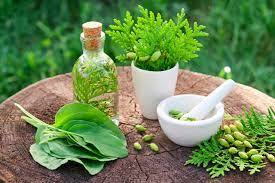
Herbal medicine is the study of pharmacognosy and the use of medicinal plants, which are a basis of traditional medicine. There is limited scientific evidence for the safety and efficacy of plants used in 21st century herbalism, which generally does not provide standards for purity or dosage.
Ayurveda is what we live and breathe here at Banyan. This 5,000-year-old life science has become increasingly popular in the United States over the last few decades thanks to the rise of its sister science, yoga. But what IS Ayurveda? How can the average person learn about it? How can it support your health? We sat down with Ayurvedic practitioner and Banyan Research Director Vrinda Devani to hear her thoughts on the topic of Ayurveda. In this video, Vrinda discusses the key aspects of Ayurveda, the doshas of vata, pitta, and kapha, and how this knowledge can change your life for the better.
NOTE FROM TED: We've flagged this talk, which was filmed at a TEDx event, because it contains many assertions about Ayurveda that are not supported by the scientific community. Please do not look to this talk for medical advice. TEDx events are independently organized by volunteers. The guidelines we give TEDx organizers are described in more detail here: http://storage.ted.com/tedx/manuals/t... Dr.BM Hegde speaks on the idea of how the ayurvedic medicines are far better for the human body than western medicines. He talks about important theories on how the human body actually functions with a given environment and how Ayurveda blends itself with the human body. Dr.Hegde speaks about the importance of meta medicines which would eventually decide the health factor of humans on earth. Dr.B.M Hegde is an Indian medical scientist, educationist, and author. He is the former Vice Chancellor of Manipal University, Co-Chairman of the TAG-VHS Diabetes Research Centre, Chennai and the chairman of Bharatiya Vidya Bhavan, Mangalore. He has authored several books on medical practice and ethics. He is also the Editor in Chief of the medical journal, Journal of the Science of Healing Outcomes. He was awarded the Dr. B. C. Roy Award in 1999. In 2010, he was honored with the Padma Bhushan, one of India's highest civilian awards. His articles and ideas in medicine are appreciated internationally and his passion for educating people is everlasting. This talk was given at a TEDx event using the TED conference format but independently organized by a local community. Learn more at http://ted.com/tedx
Osteoporosis is a condition in which the density of the bones reduces which results in thinner and weaker bones. Watch how you can treat osteoporosis using natural ingredients available in your kitchen!
Ascites is the accumulation of excess fluid in the abdominal area which maybe due to increased pressure of liver blood flow. Watch how you can treat ascites using natural ingredients available in your kitchen!
Fibroids is a condition which affects women in which tumours develop within and outside the uterus and the condition is usually detected only after the tumours have grown in size. Watch how you can treat fibroids using natural ingredients available in your kitchen!
Dizziness is the feeling of being lightheaded or unbalanced. It can cause fainting. Low blood pressure and injury are some factors that can cause dizziness. Watch how you can treat dizziness using natural ingredients available in your kitchen!
Dehydration occurs when the water consumed is not enough to replenish the water loss from the body. Watch how you can treat dehydration using natural ingredients available in your kitchen!
Immune system prevents the body from various infections and neutralizes and destroys the micro organisms. A weak immune system makes one prone to various ailments. Watch how you can treat weak immune system using natural ingredients available in your kitchen!
For centuries, cultures around the world have relied on traditional herbal medicine to meet their healthcare needs.Despite medical and technological advancements of the modern era, the global demand for herbal remedies is on the rise. In fact, it’s estimated that this industry grosses about $60 billion annually Some natural remedies may be more affordable and accessible than conventional medicines, and many people prefer using them because they align with their personal health ideologies
All the same, you may wonder whether herbal options are effective.Here are 9 of the world’s most popular herbal medicines, including their main benefits, uses, and relevant safety information.
1. Echinacea
Echinacea, or coneflower, is a flowering plant and popular herbal remedy.Originally from North America, it has long been used in Native American practices to treat a variety of ailments, including wounds, burns, toothaches, sore throat, and upset stomach
Most parts of the plant, including the leaves, petals, and roots, can be used medicinally — though many people believe the roots have the strongest effect. Echinacea is usually taken as a tea or supplement but can also be applied topically. Today, it’s primarily used to treat or prevent the common cold, though the science behind this isn’t particularly strong. One review in over 4,000 people found a potential 10–20% reduced risk of colds from taking echinacea, but there’s little to no evidence that it treats the cold after you have caught it
Ginseng is a medicinal plant whose roots are usually steeped to make a tea or dried to make a powder.It’s frequently utilized in traditional Chinese medicine to reduce inflammation and boost immunity, brain function, and energy levels. Several varieties exist, but the two most popular are the Asian and American types — Panax ginseng and Panax quinquefolius, respectively. American ginseng is thought to cultivate relaxation, while Asian ginseng is considered more stimulating
Although ginseng has been used for centuries, modern research supporting its efficacy is lacking.Several test-tube and animal studies suggest that its unique compounds, called ginsenosides, boast neuroprotective, anticancer, antidiabetes, and immune-supporting properties. Nonetheless, human research is needed Short-term use is considered relatively safe, but ginseng’s long-term safety remains unclear. Potential side effects include headaches, poor sleep, and digestive issues
3. Ginkgo biloba
Ginkgo biloba, also known simply as ginkgo, is an herbal medicine derived from the maidenhair tree Native to China, ginkgo has been used in traditional Chinese medicine for thousands of years and remains a top-selling herbal supplement today. It contains a variety of potent antioxidants that are thought to provide several benefits
The seeds and leaves are traditionally used to make teas and tinctures, but most modern applications use leaf extract.Some people also enjoy eating the raw fruit and toasted seeds. However, the seeds are mildly toxic and should only be eaten in small quantities, if at all.Ginkgo is said to treat a wide range of ailments, including heart disease, dementia, mental difficulties, and sexual dysfunction. Yet, studies have not proven it effective for any of these conditions
4. Elderberry
Elderberry is an ancient herbal medicine typically made from the cooked fruit of the Sambucus nigra plant. It has long been used to relieve headaches, nerve pain, toothaches, colds, viral infections, and constipation Today, it’s primarily marketed as a treatment for symptoms associated with the flu and common cold.Elderberry is available as a syrup or lozenge, although there’s no standard dosage. Some people prefer to make their own syrup or tea by cooking elderberries with other ingredients, such as honey and ginger.
5. St. John’s wort
St. John’s wort (SJW) is an herbal medicine derived from the flowering plant Hypericum perforatum. Its small, yellow flowers are commonly used to make teas, capsules, or extracts Its use can be traced back to ancient Greece, and SJW is still frequently prescribed by medical professionals in parts of Europe Historically, it was utilized to aid wound healing and alleviate insomnia, depression, and various kidney and lung diseases. Today, it’s largely prescribed to treat mild to moderate depression.
Many studies note that short-term use of SJW is as effective as some conventional antidepressants. However, there’s limited data on long-term safety or effectiveness for those with severe depression or suicidal thoughts SJW has relatively few side effects but may cause allergic reactions, dizziness, confusion, dry mouth, and increased light sensitivity
It also interferes with numerous medications, including antidepressants, birth control, blood thinners, certain pain medications, and some types of cancer treatments Particular drug interactions could be fatal, so if you take any prescription medications, consult your healthcare provider prior to using SJW.
6. Turmeric
Turmeric (Curcuma longa) is an herb that belongs to the ginger family Used for thousands of years in cooking and medicine alike, it has recently garnered attention for its potent anti-inflammatory properties. Curcumin is the major active compound in turmeric. It may treat a host of conditions, including chronic inflammation, pain, metabolic syndrome, and anxiety In particular, multiple studies reveal that supplemental doses of curcumin are as effective for alleviating arthritis pain as some common anti-inflammatory medications, such as ibuprofen
7. Ginger
Ginger is a commonplace ingredient and herbal medicine. You can eat it fresh or dried, though its main medicinal forms are as a tea or capsule.
Much like turmeric, ginger is a rhizome, or stem that grows underground. It contains a variety of beneficial compounds and has long been used in traditional and folk practices to treat colds, nausea, migraines, and high blood pressure Its best-established modern use is for relieving nausea associated with pregnancy, chemotherapy, and medical operations Furthermore, test-tube and animal research reveals potential benefits for treating and preventing illnesses like heart disease and cancer, although the evidence is mixed
8. Valerian
Sometimes referred to as “nature’s Valium,” valerian is a flowering plant whose roots are thought to induce tranquility and a sense of calm. Valerian root may be dried and consumed in capsule form or steeped to make tea. Its use can be traced back to ancient Greece and Rome, where it was taken to relieve restlessness, tremors, headaches, and heart palpitations. Today, it’s most often utilized to treat insomnia and anxiety Still, evidence supporting these uses isn’t particularly strong One review found valerian to be somewhat effective for inducing sleep, but many of the study results were based on subjective reports from participants Valerian is relatively safe, though it may cause mild side effects like headaches and digestive issues. You shouldn’t take it if you’re on any other sedatives due to the risk of compounding effects, such as excessive malaise and drowsiness
9. Chamomile
Chamomile is a flowering plant that also happens to be one of the most popular herbal medicines in the world.The flowers are most often used to make tea, but the leaves may also be dried and used for making tea, medicinal extracts, or topical compresses. For thousands of years, chamomile has been used as a remedy for nausea, diarrhea, constipation, stomach pain, urinary tract infections, wounds, and upper respiratory infections This herb packs over 100 active compounds, many of which are thought to contribute to its numerous benefits










.jpg)